Bison Roller Track System

The Bison stand alone gravity roller track systems are adjustable for height and available in 1000mm, 2000mm and 3000mm lengths. The track systems are manufactured to the bed height of the associated machine, which can finally be adjuste +/- 50mm for levelling purposes.  A selection of load ratings and roller widths provide a material handling solution for virtually all bandsaws.

The Bison range of rollers are available in varying diameters, lengths and load ratings.  Each roller is supplied with heavy duty machined bearings and spring loaded telescopic axial pins and are ideal for companies who desire to manufacture their own roller track.

Bison Roller Track System
Download PDF Spec Sheet Bison Roller Track System Download PDF Spec Sheet

Download
PDF Spec Sheet

Read More Bison Roller Track System Read More

Read
More

Get In Touch Get In Touch

Get In
Touch

Features

  • Heavy duty machined bearings
  • Fully adjustable modular system
  • Large selection of load capacities
  • Available in 1000, 2000 & 3000mm lengths
  • Available in 6 different widths

Options

  • Bespoke track sizes
  • Vertical rollers
  • Motorised systems

Technical Information


STOCK CODE

WIDTH mm

LENGTH mm

ROLLER Ø mm

HEIGHT mm

NO OF ROLLERS

MAX. CAPACITY Kg UDL

FRAME SIZE RSA mm

15600 250 1000 50 x 2 610-960 4 375 50x50x5
15601 250 2000 50 x 2 610-960 6 560 50x50x5
15602 250 3000 50 x 2 610-960 10 935 50x50x5

15603

350 1000 50 x 2 610-960 4 375 50x50x5
15604 350 2000 50 x 2 610-960 6 560 50x50x5
15605 350 3000 50 x 2 610-960 10 935 50x50x5
15609 350 1000 60 x 2 610-960 4 545 75x50x6
15610 350 2000 60 x 2 610-960 6 815 75x50x6
15611 350 3000 60 x 2 610-960 10 1360 75x50x6
15612 450 1000 60 x 2 610-960 4 545 75x50x6
15613 450 2000 60 x 2 610-960 6 815 75x50x6
15614 450 3000 60 x 2 610-960 10 1360 75x50x6
15618 450 1000 63.5 x 3 610-960 4 920 75x50x6
15619 450 2000 63.5 x 3 610-960 6 1380 75x50x6
15620 450 3000 63.5 x 3 610-960 10 2295 75x50x6
15621 550 1000 63.5 x 3 610-960 4 920 75x50x6
15622 550 2000 63.5 x 3 610-960 6 1380 75x50x6
15623 550 3000 63.5 x 3 610-960 10 2295 75x50x6
15627 650 1000 76.4 x 3 610-960 4 1530 100x50x6
15628 650 2000 76.4 x 3 610-960 6 2295 100x50x6
15629 650 3000 76.4 x 3 610-960 10 3825 100x50x6
15630 750 1000 76.4 x 3 610-960 4 2210 100x50x6
15631 750 2000 76.4 x 3 610-960 6 3315 100x50x6
15632 750 3000 76.4 x 3 610-960 10 5525 100x50x6


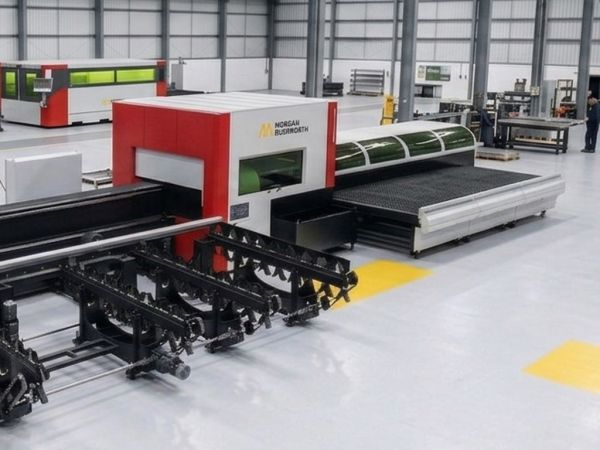
The Benefits of Fibre Laser Cutting Over Traditional Metal Cutting Methods

The Benefits of Fibre Laser Cutting Over Traditional Metal Cutting Methods

Discover the benefits of fibre laser cutting, compare more traditional cutting methods, and work out whether investing in a laser cutting machine makes sense for your business.

Read More

Read More
The Growing Demand for Custom Fabrication in Offsite Construction Projects

The Growing Demand for Custom Fabrication in Offsite Construction Projects

Offsite construction has moved past the “will it catch on?” stage. Modular units, panelised systems, pods and hybrid builds that mix factory-made components with traditional methods are now a normal part of how UK projects get delivered. For fabricators and manufacturers, that shift is creating a steady stream of work that doesn’t fit the standard catalogue.

Read More

Read More
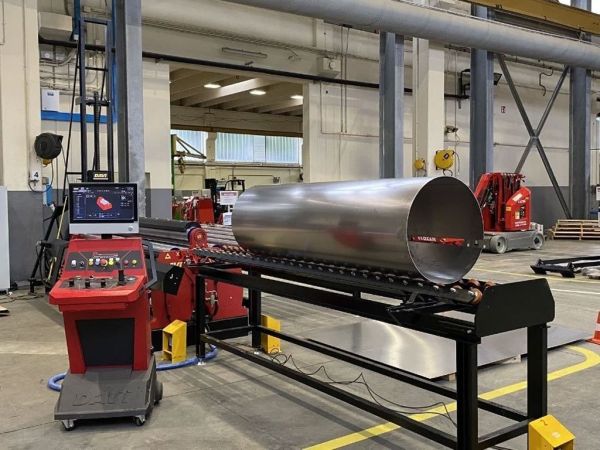
Plate Rolling & How to Choose the Right Machine

Plate Rolling & How to Choose the Right Machine

Plate rolling may look like a straightforward processes until you're standing in front of the a machine that is unsuitable for the task. This guide cuts through the options so you can make the right choice for your specific operation.

Read More

Read More
Unlocking Efficiency & Precision: Why UK Manufacturers Are Moving to Tube Laser Cutting

Unlocking Efficiency & Precision: Why UK Manufacturers Are Moving to Tube Laser Cutting

In modern metal manufacturing, staying competitive requires balancing speed, precision, and operational efficiency. Traditional tube processing methods, such as sawing, drilling, punching, and manual deburring, are notoriously labor-intensive and prone to human error. Each additional handling stage introduces potential for delay, increased costs, and inconsistency.

Read More

Read More