The Bison Blog

The Growing Demand for Custom Fabrication in Offsite Construction Projects

Offsite construction has moved past the “will it catch on?” stage. Modular units, panelised systems, pods and hybrid builds that mix factory-made components with traditional methods are now a normal part of how UK projects get delivered. For fabricators and manufacturers, that shift is creating a steady stream of work that doesn’t fit the standard catalogue.

Read More
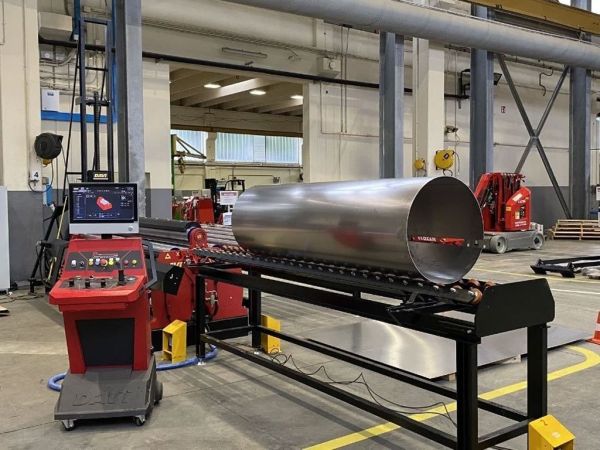
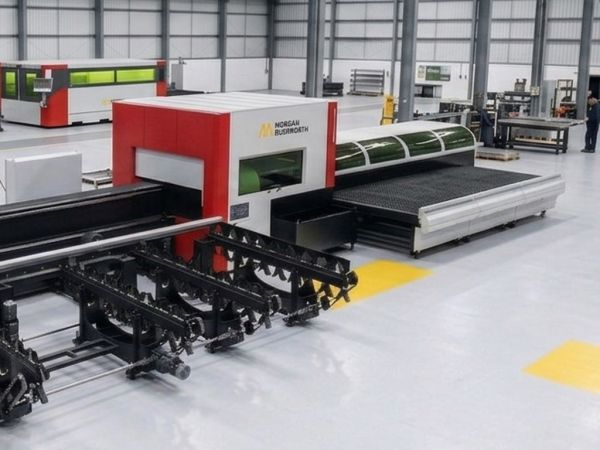
Plate Rolling & How to Choose the Right Machine

Plate rolling may look like a straightforward processes until you're standing in front of the a machine that is unsuitable for the task. This guide cuts through the options so you can make the right choice for your specific operation.

Read More

Unlocking Efficiency & Precision: Why UK Manufacturers Are Moving to Tube Laser Cutting

In modern metal manufacturing, staying competitive requires balancing speed, precision, and operational efficiency. Traditional tube processing methods, such as sawing, drilling, punching, and manual deburring, are notoriously labor-intensive and prone to human error. Each additional handling stage introduces potential for delay, increased costs, and inconsistency.

Read More

The Impact of the Defence Sector on UK Metal Fabrication Demand

UK defence spending is rising at a pace not seen since the Cold War, and for metal fabricators with the right capabilities, that represents a significant commercial opportunity. Understanding where the demand is coming from, and what it means for workshop investment, is worth the attention of any fabrication business looking to grow.

Read More

Welding Fume Extraction: Improving Safety, Compliance and Productivity

In recent years, the Health and Safety Executive (HSE) has placed welding fumes under closer scrutiny, with scientific evidence linking exposure to a range of health issues, including lung cancer, neurological disorders, and asthma. Employers have a duty to provide a safe and healthy working environment for their staff, which includes putting effective controls in place to manage exposure to welding fumes — general ventilation on its own is not enough to adequately mitigate the risks. Although welders themselves may be adequately protected by PPE, the HSE has placed particular emphasis on other employees who share the same workspace.

Read More

Carbon Footprint Reduction for UK Metal Fabricators: Where to Start

Net zero isn't just a government target, it's increasingly a commercial reality. More and more UK manufacturers are being asked by their customers to demonstrate their environmental credentials, and fabrication businesses that can't answer that question are starting to lose work to those that can.

Read More

Bison Machinery Expands Offering With The Full Davi Range

At Bison Machinery, we are committed to providing our customers with the most advanced and reliable fabrication equipment on the market. That’s why we’re excited to announce the launch of the full range of Davi machines, now available directly through our team in the UK.

Read More

General Fabrication: An Overview of Machinery and Methods

General fabrication is the foundation of countless industries – structural steel, mechanical engineering, plant maintenance, vehicle production and artisan metalwork to name just a few. From clean drilling to controlled bending, from rugged sawing to precise finishing, every step of the fabrication process is shaped by the quality of the equipment used.

Read More

Is British Steel Making a Comeback? The Future of UK Metal Production

Steel has long been the backbone of industrial Britain; a nation forged in the heat of its foundries and factories stoked by British coal. At its peak, the UK was one of the world's leading steel producers, with towns like Sheffield and Port Talbot synonymous with iron and steel production.

Read More

Which type of metal guillotine is best for your fabrication workshop?

A metal cutting guillotine? A guillotine shear? A sheet metal shear? A power shear? Known by many names these machines shear carbon and non-ferrous metals by means of a pair of blades set one above another, with either a fixed or adjustable blade gap, and driven mechanically, pneumatically or hydraulically.

Read More