

The Growing Demand for Custom Fabrication in Offsite Construction Projects
- 27-10-2026
- Matthew Denny
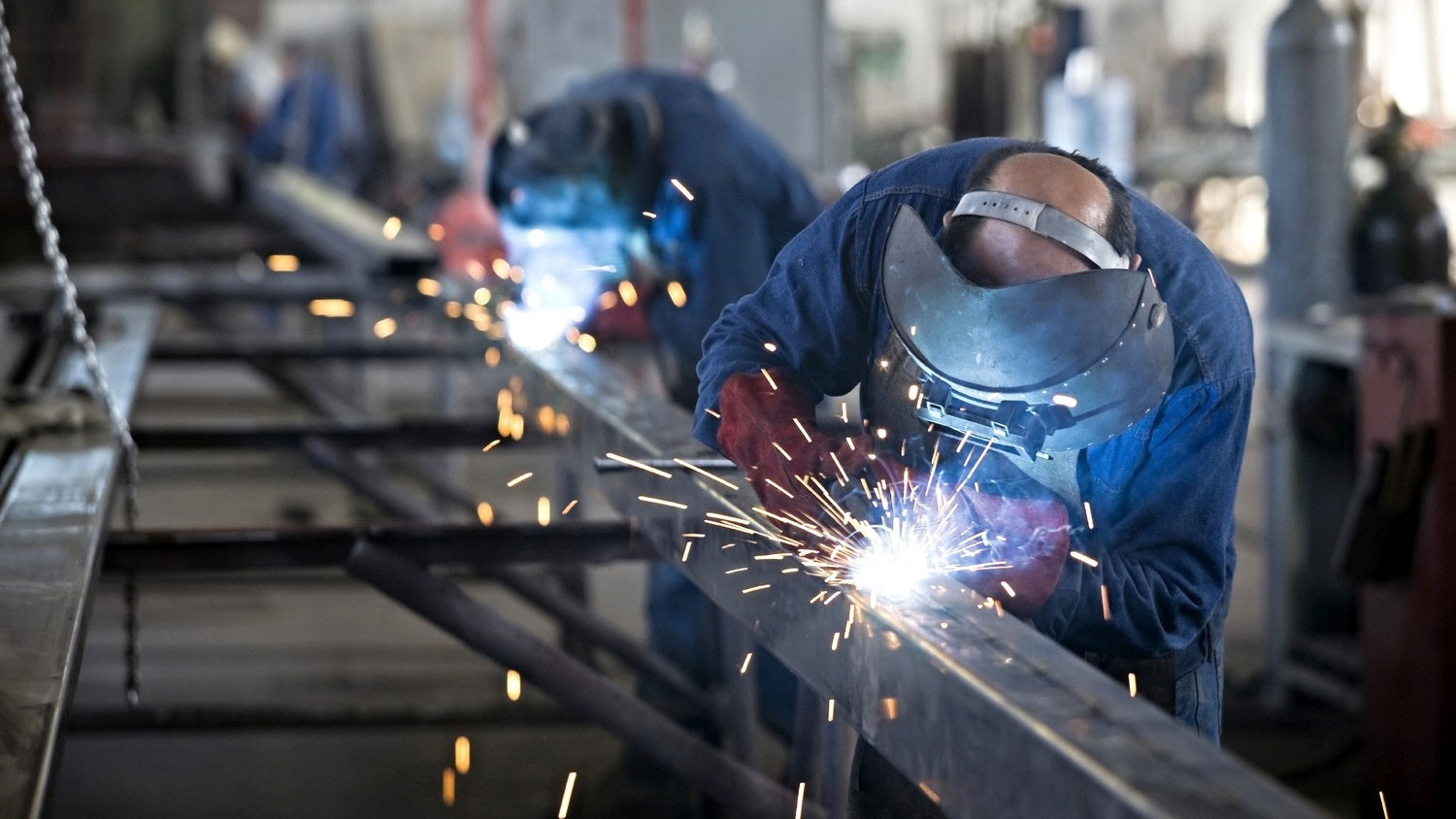
Offsite construction has moved past the “will it catch on?” stage. Modular units, panelised systems, pods and hybrid builds that mix factory-made components with traditional methods are now a normal part of how UK projects get delivered. For fabricators and manufacturers, that shift is creating a steady stream of work that doesn’t fit the standard catalogue.
Why offsite work is mostly made to order
A factory-built module only works if every component arrives and fits first time. That means a lot of the steelwork is bespoke: connection plates, frames cut to a specific module size, brackets and supports for services, and formed or curved sections where the design calls for them.
Hybrid delivery, with offsite systems alongside conventional construction, is expected to stay central to UK housebuilding. Every point where the two meet needs components made to suit, and that interface work is where a lot of the custom demand comes from.
Programme pressure lands on the fabricator
Offsite appeals partly because skilled site labour is short. Moving work into a controlled factory improves programme certainty, but it also means a module line can stall if a steel package is late. There is very little slack in the chain.
That favours workshops that can cut, form and weld in-house. Every outsourced operation adds a handoff, and every handoff adds delay and variation.
What it asks of your machinery
A few practical points keep coming up for fabricators moving into this work:
Cutting & Profiling. Parts going straight into a module jig need clean, accurate profiles, because poor edge quality becomes fit-up and weld prep time further down the line. A fibre laser gives you the accuracy and repeat consistency to run batches that match from the first part to the fiftieth.
Tube & section work. Structural frames use a lot of tube, beam and section. Cutting, notching and profiling in-house with a tube laser gives you control over both accuracy and turnaround, rather than waiting on a subcontractor.
Bending & Folding. Folded plate and light gauge components are everywhere in offsite builds. A CNC press brake with good angle control keeps bent parts consistent, which matters when they have to assemble without adjustment.
Rolling. Architectural features and non-standard modules often need curved sections. Plate rolling lets you quote for that work rather than turn it away.
Where the opportunity is
Offsite pipelines can be lumpy. Funding rounds, planning decisions and procurement changes all move volumes around, and factories can struggle to keep a consistent flow of work. A shop that can switch between sheet, plate and section work copes with that better than one tied to a single product type.
The fabricators and manufacturers winning this work tend to share the same strengths: they turn drawings around quickly, hold tolerances consistently, and handle volume runs and one-off items in the same project. Those are mostly questions of equipment and process, not company size.
Looking ahead
Housing need, public-sector procurement and pressure on site labour all point the same way, so demand for made-to-order steelwork in offsite construction looks set to continue. The firms that benefit will be the ones whose machinery can produce accurate, repeatable parts quickly across plate, sheet and section.
If you are planning how to equip a workshop for this kind of work, you can see the machines running at our showroom or talk to the team about what suits your parts and volumes.
Bison Machinery | 01785 214242 | sales@bisonmachinery.co.uk | www.bisonmachinery.co.uk
